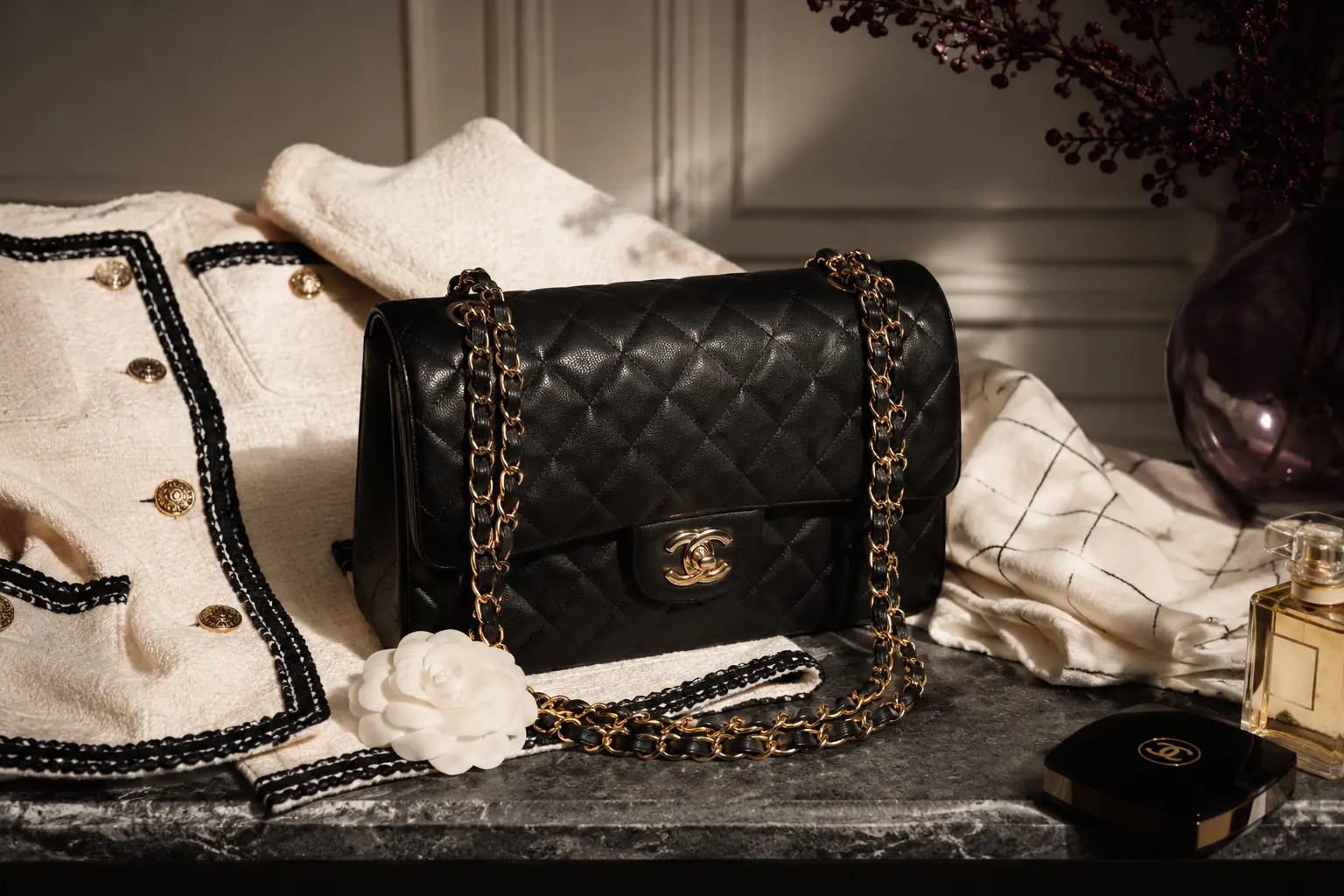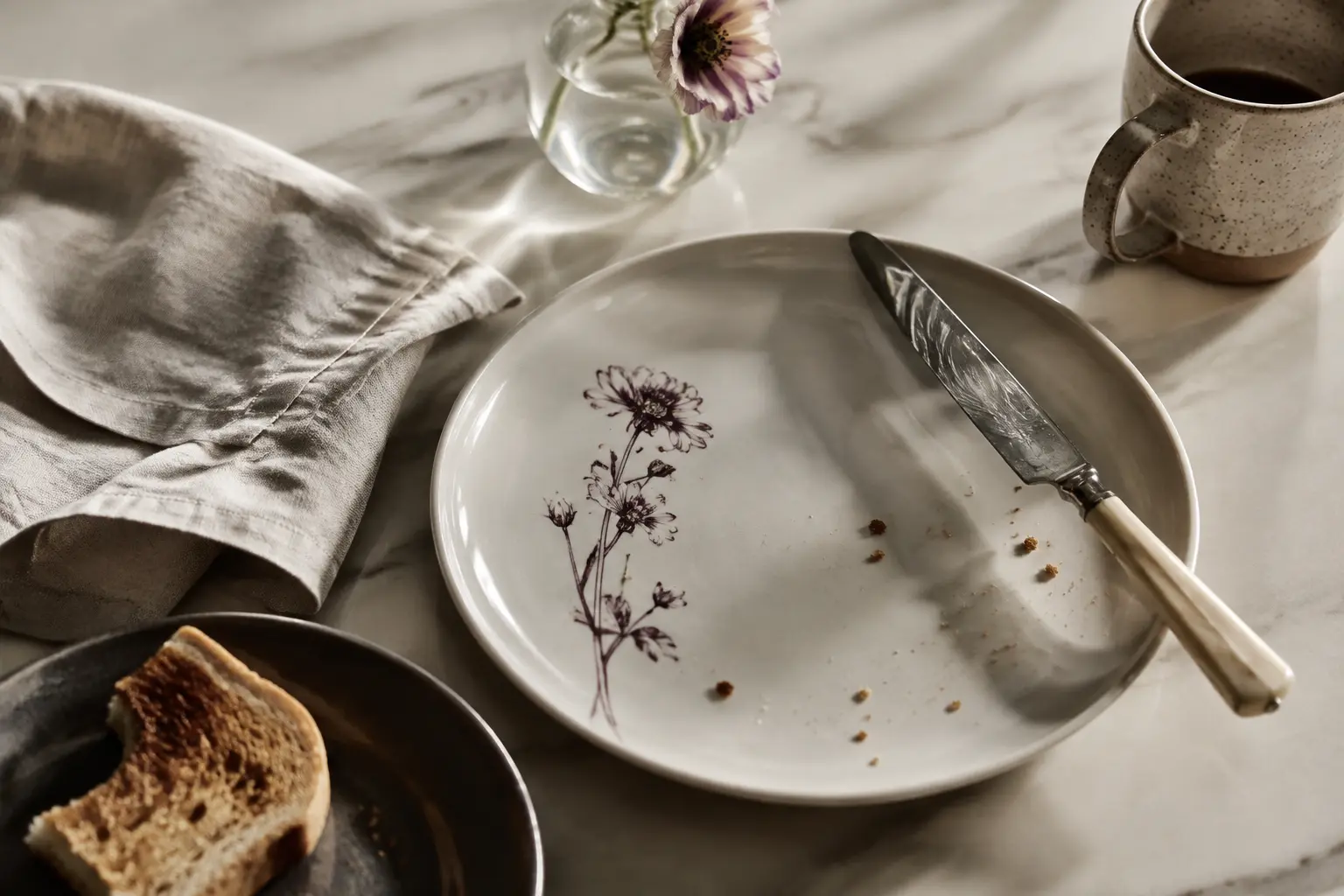
I own things I like so much that I avoid using them. The good china stays in the cabinet. A beautiful candle can spend years being admired for its exceptional ability not to be lit. I even do this with plates that can go in the dishwasher, which eliminates most of my available defenses.
The familiar advice is to stop saving everything for a special occasion. The more interesting possibility is that saving it is helping create the problem.
Every “not tonight” can make the next occasion work harder.
Researchers Jacqueline Rifkin and Jonah Berger call it the specialness spiral. Across six studies, they examined how passing up an opportunity to use something could make it feel more special—and make people less willing to use it on another ordinary occasion. [1]
The object need not begin as a treasure. One experiment used an ordinary $12 bottle of wine. Participants who imagined not opening it on one occasion subsequently became more inclined to reserve it for something exceptional. [1]
The bottle had not become rarer or more expensive. It had become the bottle they were saving.
That is an awkward discovery for a cupboard full of things I already considered too nice for an ordinary dinner. Every time I pass them over, I may be supplying another little piece of evidence that dinner needs to deserve them.
The better version can end up participating less.
The notebook develops standards about what should be written in it. The candle awaits company. The dress requires somewhere sufficiently good to go. Meanwhile, the version I like less does most of the living.
This is not quite what I meant by buying something better.
A practical question belongs earlier in the purchase: will this be easy enough to use? Can I clean it normally? Can it tolerate the life I actually have? Will I enjoy it, or spend the evening supervising it?
Beauty is allowed to be a reason. So is the pleasure of something that works without requiring a change in personality.
I tried letting dinner be enough.
When I began doing more of the cooking at home, I also got out the good plates. I lit the candles. We ate in the dining room more often. Not because anyone was coming over. Because dinner was ready.
Our dinners became livelier, longer, and more fun. I cannot credit the plates with that. I was cooking more; we were sitting somewhere different; the whole arrangement had changed. But I could recognize the decision I had stopped making.
I was no longer asking the evening to prove it deserved the things I already loved.
The useful possibility is not that expensive china improves every meal. It is that the object I keep saving may help create the occasion I keep waiting for.
Good enough for ordinary life is a compliment.
I still like beautiful things. I am becoming more interested in whether they can come out of the cabinet.
The beautiful glass that does not make everyone nervous. The excellent sweater I can actually clean. The plate that goes into the dishwasher after a good dinner instead of creating a second shift.
Maybe “worth it” includes the pleasure I will actually let myself have—not just the pleasure the thing could provide in ideal circumstances.
The special occasion can still get the good plates. It just no longer has exclusive rights.
Sources + Methodology
- Rifkin and Berger (2021), How Nonconsumption Can Turn Ordinary Items into Perceived Treasures
Six-study research program. The family dinner account is not a controlled experiment; no causal claim is made that the plates improved dinner.
This revised essay retains the nonconsumption research and my family account. The separate tableware/yogurt discussion has been omitted to keep the argument focused.